
What Is a Lab Grown Diamond? Everything You Need to Know!
Lab grown diamonds have transformed the jewellery industry in recent years, becoming one of the most popular choices for modern engagement rings and fine jewellery. At Heera Diamonds in Hatton Garden, we specialise in beautifully crafted lab grown diamond engagement rings that combine exceptional brilliance, modern innovation and outstanding value.
But what exactly is a lab grown diamond, and how does it compare to a natural mined diamond? This guide explains everything you need to know about lab grown diamonds, including how they are created, their quality, sparkle and why more couples than ever are choosing them for engagement rings and luxury jewellery.
What Is a Lab Grown Diamond?

A lab grown diamond is a real diamond created in a controlled laboratory environment rather than formed naturally beneath the earth’s surface. Lab grown diamonds have the exact same chemical, physical and optical properties as mined diamonds, making them visually and structurally identical.
Like natural diamonds, lab grown diamonds are made entirely of carbon and score 10 on the Mohs hardness scale, meaning they are incredibly durable and suitable for everyday wear. They are not imitation stones or diamond simulants such as cubic zirconia. Instead, they are genuine diamonds with the same brilliance, fire and sparkle as mined diamonds.
Our collection of lab grown diamond engagement rings offers the same beauty and luxury as traditional diamonds while providing a more modern and accessible alternative.
Are Lab Grown Diamonds Real Diamonds?
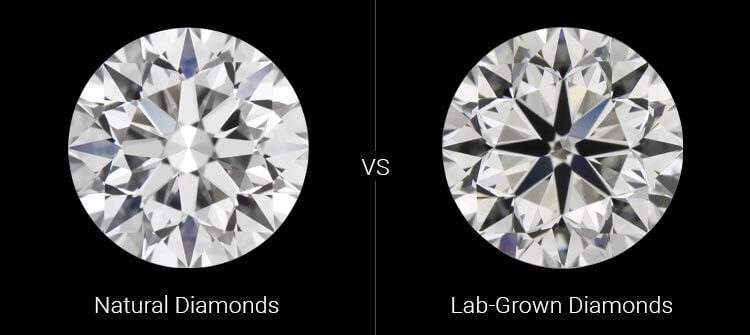
Yes. Lab grown diamonds are 100% real diamonds. They share the same crystal structure, hardness and optical performance as natural diamonds, meaning they look identical to the naked eye.
Even professional jewellers require specialist equipment to distinguish between a mined diamond and a lab grown diamond. Both types of diamonds can achieve exceptional cut, clarity, colour and carat grades, offering stunning brilliance and beauty in fine jewellery.
When set into an engagement ring, necklace or pair of earrings, a lab grown diamond delivers the same luxurious appearance and elegance expected from any high-quality diamond.
How Are Lab Grown Diamonds Made?

Lab grown diamonds are created using advanced technology that replicates the natural diamond-growing process. There are two primary methods used to grow diamonds in laboratories: High Pressure High Temperature (HPHT) and Chemical Vapour Deposition (CVD).
Both methods begin with a tiny diamond seed and carefully controlled conditions that allow carbon atoms to form around the seed, gradually creating a fully developed diamond crystal.
High Pressure High Temperature (HPHT) Diamonds
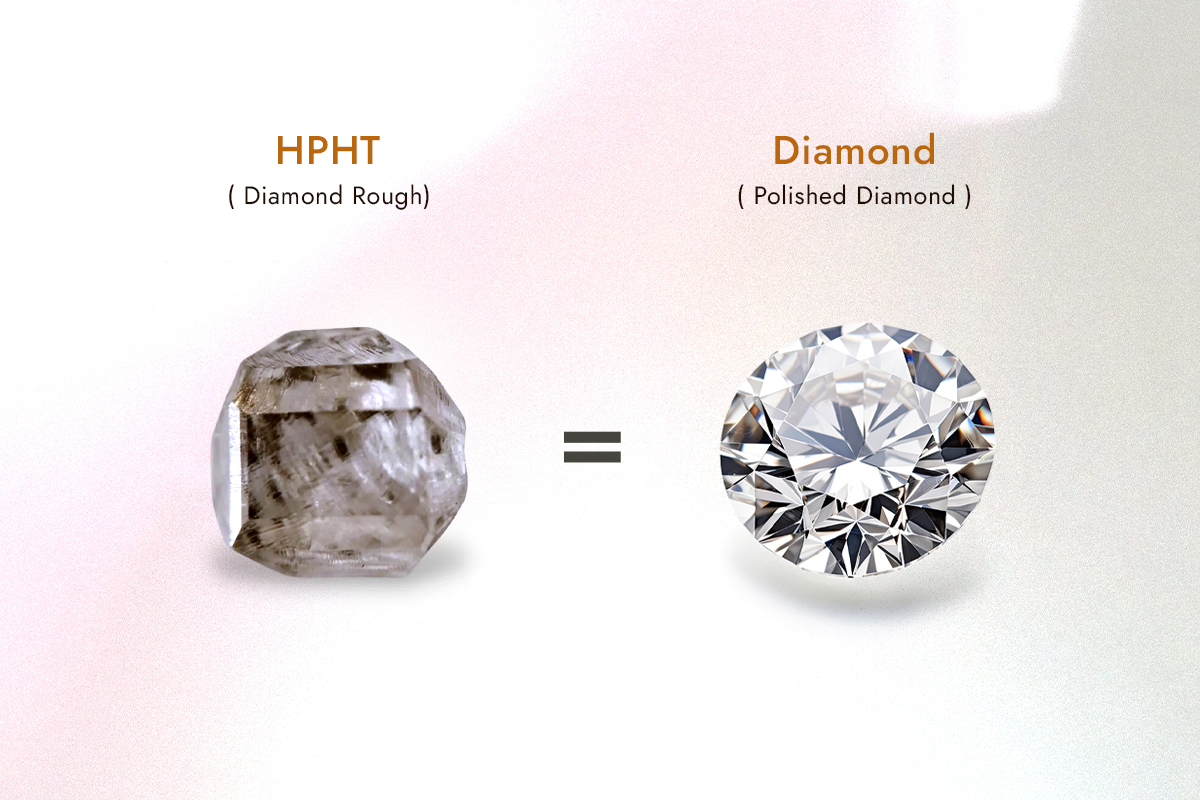
The HPHT method was one of the earliest techniques used to create lab grown diamonds. This process recreates the extreme heat and pressure found deep within the earth where natural diamonds are formed.
A small diamond seed is exposed to temperatures exceeding 1,000 degrees Celsius and extremely high pressure, causing carbon atoms to crystallise around it. The result is a genuine diamond with exceptional durability and brilliance.
Some HPHT diamonds may naturally develop slight colour variations, similar to those found in mined diamonds, which adds to their individuality and character.
Chemical Vapour Deposition (CVD) Diamonds
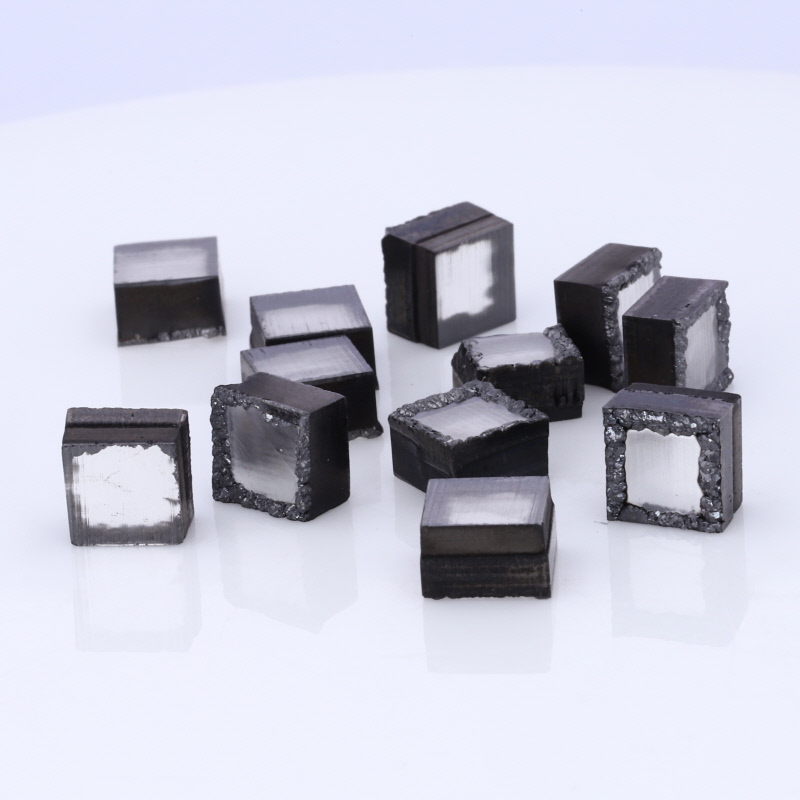
Chemical Vapour Deposition, commonly known as CVD, is another highly advanced method used to grow diamonds in a laboratory.
In this process, a diamond seed is placed inside a chamber filled with carbon-rich gases. The gases are heated until they form plasma, allowing layers of carbon to slowly build onto the seed and create a diamond crystal.
CVD diamonds are highly valued for their precision, clarity and ability to produce beautifully bright and colourless stones. This method is widely used in modern jewellery manufacturing because it allows for excellent quality control and exceptional diamond consistency.
How Are Lab Grown Diamonds Identified?
Although lab grown diamonds look identical to natural diamonds, professional gemological laboratories use advanced technology to identify their origin.
Trusted organisations such as GIA and IGI issue certification reports for lab grown diamonds, detailing important characteristics including cut, colour, clarity and carat weight. Many lab grown diamonds also feature microscopic laser inscriptions on the girdle for identification purposes.
At Heera Diamonds, all certified lab grown diamonds are carefully sourced to ensure quality, authenticity and transparency.
Lab Grown Diamond Engagement Rings and Jewellery

Lab grown diamonds can be used in virtually every type of jewellery design, from classic solitaire engagement rings to halo settings, tennis bracelets, earrings and bespoke jewellery pieces.
One of the biggest advantages of lab grown diamonds is the ability to achieve larger carat sizes and higher quality stones at a more accessible price point compared to mined diamonds. This allows couples to prioritise size, sparkle and craftsmanship without compromising on style.
At Heera Diamonds in Hatton Garden, we offer a stunning collection of lab grown diamond engagement rings crafted with premium materials, expert craftsmanship and design.
Discover Lab Grown Diamonds at Heera Diamonds Hatton Garden
At Heera Diamond, we are proud to offer expertly crafted lab grown diamond engagement rings and fine jewellery from the heart of Hatton Garden in London’s world-renowned jewellery district.
Whether you are searching for a classic solitaire engagement ring, a bespoke diamond design or a modern statement piece, our collection combines exceptional craftsmanship with stunning lab grown diamonds designed to last a lifetime.
Explore the beauty, brilliance and innovation of lab grown diamonds with Heera Dimonds and discover why more couples are choosing this modern diamond alternative for their forever ring.


