
Platinum vs White Gold Engagement Rings: Which Metal Is Right for You?
Choosing the perfect engagement ring involves more than selecting a beautiful diamond. The metal you choose plays a major role in the overall appearance, durability and long-term wear of the ring. Two of the most popular choices for modern engagement rings are platinum and white gold, both offering a bright, elegant finish that complements diamonds beautifully.
At Heera Diamonds in Hatton Garden, we specialise in handcrafted platinum and white gold engagement rings designed for luxury and everyday wear. If you are deciding between platinum and white gold, this guide explains the key differences to help you choose the perfect metal for your engagement ring.
What Is Platinum?
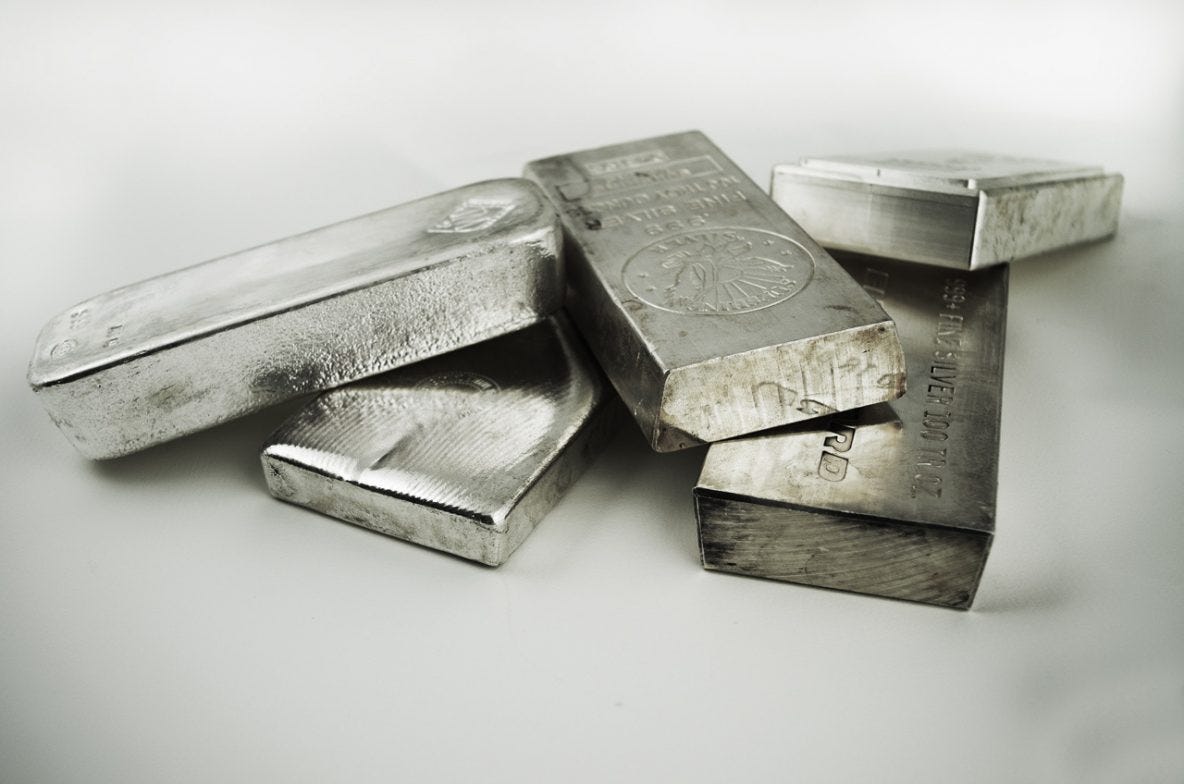
Platinum is a naturally white precious metal known for its strength, rarity and durability. It is one of the most luxurious choices for engagement rings because of its dense structure and long-lasting finish.
Platinum engagement rings are especially popular for securing diamonds safely due to the metal’s durability and resistance to wear. Over time, platinum develops a soft patina that many people appreciate for its vintage-inspired character and elegance.
At Heera Diamonds, platinum engagement rings are crafted for exceptional durability while maintaining a refined and appearance.
What Is White Gold?

White gold is created by blending yellow gold with white alloy metals such as palladium or silver before being coated in rhodium for a bright white finish. White gold engagement rings offer a sleek and contemporary appearance similar to platinum while typically being more affordable.
White gold is available in different purities including 9K, 14K and 18K gold, with 18K white gold being especially popular for luxury engagement rings because of its rich finish and durability.
Platinum vs White Gold: Appearance

At first glance, platinum and white gold engagement rings can appear very similar. Both metals provide a clean white tone that enhances the brilliance of diamonds beautifully.
However, platinum naturally retains its white colour, while white gold relies on rhodium plating to maintain its bright finish. Over time, white gold may require occasional re-plating to restore its original brightness.
Platinum tends to have a softer, more subtle white tone, while white gold often appears brighter and more reflective immediately after polishing.
Durability and Everyday Wear
For everyday wear, both platinum and white gold are excellent choices. Platinum is denser and more durable, making it particularly suitable for engagement rings worn daily. Because platinum is highly resistant to damage, it is often preferred for securing larger diamonds and delicate settings.
White gold is also durable but may show wear slightly faster over time due to its alloy composition. Regular maintenance and rhodium re-plating help maintain its bright appearance and finish.
At Heera Diamonds in Hatton Garden, both platinum and white gold engagement rings are expertly crafted for beauty, comfort and longevity.
Which Metal Is More Expensive?
Platinum engagement rings are generally more expensive than white gold due to the rarity and density of the metal. Platinum also requires more material to craft because it is heavier and purer than gold alloys.
White gold engagement rings provide a more budget-friendly alternative while still delivering a luxurious and elegant appearance.
Which Should You Choose?

The choice between platinum and white gold ultimately comes down to personal preference, lifestyle and budget.
Choose platinum if you want:
-
Maximum durability
-
Naturally white metal
-
A luxurious heirloom-quality feel
-
Minimal long-term colour maintenance
Choose white gold if you prefer:
-
A brighter white finish
-
A more affordable option
-
A sleek contemporary appearance
-
Lightweight comfort
At Heera Diamonds, our expert team can help you explore both options and choose the perfect engagement ring metal for your style and lifestyle.


